حقوق الإنسان والعلاقات الإنسانية السامية
Human Rights and Noble Human Relations: The Cornerstone of Peaceful Coexistence Among Nations
تشكل حقوق الإنسان الأساس الذي تُبنى عليه العلاقات الإنسانية السامية، فهي تُجسد القيم العليا التي تنظم التفاعل بين الأفراد والمجتمعات. ويُنظر إلى الإنسان باعتباره جوهر الكرامة ومحورها، حيث تُعد حقوقه من أسمى المبادئ التي يجب احترامها وصيانتها. إن وضع الإنسان كغاية في ذاته، لا كوسيلة لتحقيق مصالح أخرى، يعكس عمق الفلسفة التي تقوم عليها منظومة الكرامة الإنسانية، التي بدورها تسهم في تعزيز رفعة المجتمعات وتطورها.
في ظل هذه المبادئ، تأتي العلاقات الإنسانية كعنصر جوهري في نجاح الشعوب واستقرارها، فهي تمثل الرابط الذي يجمع الأفراد على أسس من التسامح، والمساواة، والتفاهم المتبادل. إن التفاعل الإنساني المبني على احترام الآخر وتقدير التنوع يسهم في بناء مجتمعات أكثر انسجامًا، ويحد من الصراعات ويعزز فرص السلام المستدام. وتؤمن منظمة الدرع الدولية بأن مثل هذه العلاقات تُعدّ الدعامة الأساسية للاستقرارين الاجتماعي والسياسي، وتشكل اللبنة الأولى لأي مشروع إنساني عالمي ناجح.
لكن في المقابل، تقود السياسات العالمية أحيانًا بمصالح ضيقة وأهداف قصيرة المدى، ما يؤدي إلى تهميش القيم الإنسانية التي تضمن العدالة على المدى الطويل. من هنا، تظهر أهمية الفلسفة الإنسانية التي تدعو إلى تجاوز المصالح المؤقتة والتركيز على احترام حقوق الإنسان، باعتبارها الضمان الحقيقي لاستمرار العلاقات الإنسانية وازدهارها بعيدًا عن التقلبات السياسية.
ضمن هذا الإطار، تبرز منظمة الدرع الدولية، بقيادة الدكتور صالح محمد ظاهر، كنموذج إنساني عالمي يحمل رؤية قائمة على احترام الإنسان وتعزيز التفاهم بين الشعوب. تتبنى المنظمة نهجًا شاملاً يضع الإنسان في قلب أولوياتها، من خلال مبادرات عملية تخلق فضاءات للحوار والتفاعل بين الثقافات، مثل مشروع “القارب الثقافي”، الذي يسعى لتجاوز الحواجز السياسية والثقافية من أجل تعزيز التعايش السلمي.
وتُعد جهود المنظمة في تعزيز الحوار بين الثقافات من أبرز إنجازاتها، حيث نظّمت مؤتمرات وندوات دولية جمعت ممثلين عن خلفيات ثقافية ودينية متعددة، مما أسهم في نشر ثقافة الحوار والانفتاح. كما أطلقت مبادرات تواصل حضاري تهدف إلى تشجيع التواصل والتفاهم بين مختلف الشعوب، إيمانًا منها بأن الحوار هو السبيل الأمثل لبناء مستقبل يسوده السلام.
وفي مجال التعليم والتوعية، كان لمنظمة الدرع الدولية دورٌ فاعل في إطلاق برامج تهدف إلى نشر ثقافة حقوق الإنسان وزيادة الوعي بها، خاصة بين فئات الشباب والمجتمعات المهمشة. عبر هذه الجهود، ساعدت المنظمة في تنمية القدرات الإنسانية وتعزيز القيم الإيجابية، مؤكدة على أن التثقيف هو أحد أنجع الوسائل لتحقيق العدالة الاجتماعية.
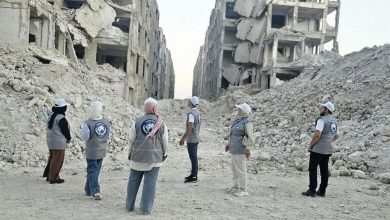
أما في مناطق النزاعات، فقد برزت جهود المنظمة في تقديم الدعم الإنساني لضحايا الحروب، من خلال توفير الاحتياجات الأساسية كالغذاء والمأوى، والمساهمة في إعادة بناء المجتمعات التي مزقتها الصراعات. كذلك، قدمت المنظمة الدعم النفسي والاجتماعي للنازحين، وسعت إلى تعزيز الثقة بين المجتمعات المنقسمة.
وعلى صعيد التمكين الاجتماعي، عملت المنظمة على تعزيز دور المرأة وتمكينها اقتصاديًا واجتماعيًا، إلى جانب دعم فرص التعليم والعمل للفئات المهمشة، بما يسهم في تحقيق المساواة وضمان كرامة الإنسان. كما أطلقت حملات مخصصة لدمج اللاجئين والمهاجرين في مجتمعاتهم الجديدة بطريقة تحفظ إنسانيتهم وحقوقهم.
ولم تغفل المنظمة عن حقوق الطفل، فبادرت بإطلاق حملات تهدف إلى ضمان حق الأطفال في التعليم والرعاية الصحية، إضافة إلى دعم الأطفال المتضررين من الحروب لمساعدتهم في استعادة حياتهم الطبيعية.
وإيمانًا منها بضرورة الاستدامة، عملت منظمة الدرع الدولية على دعم أهداف التنمية المستدامة، بما في ذلك قضايا المساواة البيئية وحماية الكوكب، وشاركت في ندوات ومؤتمرات بيئية دولية تسلط الضوء على العلاقة بين العدالة البيئية والسلام العالمي.
ومن خلال دعمها المستمر لنشر ثقافة السلام ونبذ العنف والتطرف، ساهمت المنظمة في عمليات المصالحة المجتمعية، مؤكدة على أهمية التعايش السلمي كوسيلة دائمة لحل النزاعات.
وفي إطار العمل الدولي، نسجت منظمة الدرع الدولية شبكة واسعة من الشراكات مع منظمات وهيئات دولية فاعلة، وأسهمت في تطوير رؤى مشتركة مع الأمم المتحدة لتعزيز القيم الإنسانية على مستوى عالمي. كما حرصت على مناصرة قضايا اللاجئين والمهاجرين، وتقديم الدعم الإنساني والقانوني اللازم لضمان حمايتهم وصيانة كرامتهم.
وتواصل المنظمة جهودها في الدفاع عن المبادئ الإنسانية والمساواة، مستمدةً إلهامها من القيم العالمية والضمير الإنساني المشترك. وبفضل رؤيتها الواضحة وقيادتها الحكيمة، باتت منظمة الدرع الدولية نموذجًا ملهمًا في العمل الإنساني، يُجسد كيف يمكن لمبادئ الكرامة والعدل أن تتحول إلى واقع ملموس في حياة الشعوب والمجتمعات حول العالم.
Human Rights and Noble Human Relations: The Cornerstone of Peaceful Coexistence Among Nations
Human rights form the foundation upon which noble human relations are built, embodying the core values that guide interaction between individuals and societies. The human being is regarded as the essence of dignity and the focal point of these rights, which are among the highest principles that must be respected and protected. Viewing the individual as an end in themselves—not merely a means to an end—reflects the depth of the philosophy underlying human dignity, which in turn contributes to the advancement and elevation of societies.
In this context, human relations become essential to the success and stability of nations. These interactions serve as bridges built on tolerance, equality, and mutual understanding. Respecting others and embracing diversity helps reduce conflict and foster sustainable peace. The International Shield Organization believes that such relations are the cornerstone of social and political stability and the starting point for any successful humanitarian endeavor.
However, global politics is often driven by short-term, self-serving interests that overlook the fundamental human values needed to ensure long-term justice and equality. Here, the humanistic philosophy emerges as a call to rise above narrow goals and instead focus on the protection of human rights, which are the true foundation for resilient and enduring relationships beyond political fluctuations.
It is within this vision that the International Shield Organization, under the leadership of Dr. Saleh Muhammad Dhahir, stands out as a global humanitarian model, grounded in respect for human rights and the promotion of mutual understanding among peoples. The organization adopts a comprehensive approach that places the human being at the heart of its priorities, creating spaces for dialogue and interaction among cultures through practical initiatives like the “Cultural Boat” project, which transcends political and cultural barriers to promote peaceful coexistence.
One of the organization’s most notable achievements is its role in promoting intercultural dialogue. Through hosting international conferences and forums that bring together individuals from various cultural and religious backgrounds, it has helped cultivate a culture of openness and understanding. Its initiatives encourage cross-cultural communication, grounded in the belief that dialogue is key to a more peaceful future.
In the field of education and awareness, the organization has launched programs to spread knowledge about human rights and their role in building stable societies. These efforts have empowered youth and marginalized communities, helping them embrace positive values and develop their capacities. Education, the organization affirms, is one of the most effective tools for achieving social justice.
In conflict zones, the International Shield Organization has played a significant role in providing humanitarian assistance to victims of war, including food, shelter, and psychological support. Its efforts have eased suffering and contributed to rebuilding communities torn apart by violence, while also working to restore trust among divided groups.
On the level of social empowerment, the organization has prioritized the economic and social empowerment of women, promoted equal access to education and employment, and launched initiatives to integrate refugees and migrants into new communities with dignity and respect.
Children’s rights are also a central focus. The organization has led campaigns to ensure access to education and healthcare for children, particularly those affected by war, helping them return to a sense of normalcy and hope.
With a firm commitment to sustainability, the organization supports global development goals, including gender equality and environmental protection, and actively participates in international conferences that highlight the link between environmental justice and world peace.
By consistently promoting a culture of peace and rejecting violence and extremism, the organization has taken part in community reconciliation efforts in conflict-affected regions, affirming the importance of peaceful coexistence as a lasting solution.
On the international stage, the International Shield Organization has built strategic partnerships with global organizations, contributing to shared visions with the United Nations to promote humanitarian values worldwide. It also works to advocate for the rights of refugees and migrants, ensuring their legal protection and preserving their dignity in international forums.
Through its continuous efforts to uphold human values and equality, the organization remains deeply committed to building a world where coexistence, justice, and dignity prevail. Its various initiatives—including arts, sports, and climate engagement—demonstrate its strong dedication to peace and sustainable development. Under the visionary leadership of Dr. Saleh Muhammad Dhahir, the International Shield Organization serves as a living example of how human dignity and justice can be transformed into tangible realities for communities across the globe.