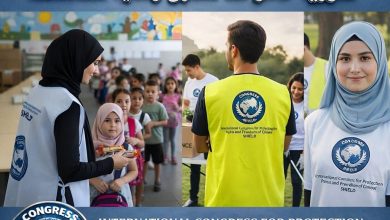
الإرهاب والتطرف: أبعاد فلسفية ودور الاستخبارات العالمية في تشكيل الظاهرة
Terrorism and Extremism: Philosophical Dimensions and the Role of Global Intelligence in Shaping the Phenomenon

بحث مقدم من منظمة الدرع الدولية
المقدمة منذ تأسيسها، تلتزم منظمة الدرع الدولية بالدفاع عن حقوق وحرية المواطن، وتسعى لإلقاء الضوء على التحديات التي تهدد الأمن والسلام في العالم. في هذا السياق، يُقدَّم هذا البحث لاستكشاف ظاهرتي الإرهاب والتطرف من منظور فلسفي عميق، مع التركيز على دور القوى الاستخباراتية العالمية في تشكيل هذه الظواهر وتوجيهها لتحقيق مصالحها الجيوسياسية.
الإرهاب والتطرف لا يشكلان مجرد تهديدات أمنية أو اجتماعية، بل هما نتائج لصراعات معقدة على مستوى الوجود الإنساني، تتداخل فيها القوى السياسية والاقتصادية والفكرية. فهذه الظواهر تشكل انعكاسًا لعدم التوازن الذي يحدث عندما تُستَغل الأيديولوجيات والهوية من قبل القوى الكبرى كأدوات لتحقيق أهداف سياسية، وهو ما يستدعي دراسة عميقة لفهم ديناميكياتها.
جذور الإرهاب والتطرف: فلسفة الهوية والتهميش الإرهاب والتطرف ليسا مجرد نتاج للظلم السياسي أو الاقتصادي، بل هما انعكاس للفجوات العميقة في الهويات الإنسانية والثقافية. من الناحية الفلسفية، يمكن فهم التطرف كأداة للدفاع عن الهوية في عالم يعاني من انقسامات دينية، عرقية، وجغرافية. في هذه السياقات، يتحول التطرف إلى رد فعل ضد التهميش الاجتماعي والثقافي، إذ يتبنى الفرد أو الجماعة أيديولوجيات متشددة كوسيلة لاسترداد “الكرامة” المفقودة.
على المستوى الشخصي والجماعي، يعتقد الأفراد المتطرفون أن أيديولوجياتهم توفر تفسيرات شاملة لواقع مليء بالاضطرابات والصراعات. في بعض الحالات، يتم تمجيد العنف كوسيلة لإعادة بناء عالمهم الذي يراه الآخرون مفقودًا أو مهدمًا. هذا التفسير الفلسفي يعكس كيف يمكن للجماعات التي تشعر بالعزلة أن تتبنى العنف كوسيلة لاستعادة مكانتها في العالم.
دور الاستخبارات العالمية في تشكيل ظاهرة الإرهاب والتطرف لقد لعبت وكالات الاستخبارات العالمية دورًا محوريًا في تشكيل ظاهرة الإرهاب والتطرف. حيث سعت هذه الأجهزة إلى خلق الأزمات واستغلال الفوضى لتحقيق أجنداتها الخاصة.
صناعة الأزمات كوسيلة للتحكم: تقوم بعض أجهزة الاستخبارات بتأجيج الصراعات وإشعال الفتن داخل الدول المستهدفة عبر دعم جماعات متطرفة أو تمويل أجنحة معارضة مسلحة. هذا الأسلوب يهدف إلى تفكيك بنية الدولة وإضعافها.
توظيف الإرهاب كذريعة للتدخل: يتم استخدام الإرهاب كذريعة لتبرير التدخلات العسكرية والاقتصادية في الدول الغنية بالموارد الطبيعية أو ذات الأهمية الاستراتيجية.
التحكم في مسارات الأزمات: من خلال دعم جماعات على حساب أخرى، تقوم أجهزة الاستخبارات بتوجيه الصراعات بما يحقق مصالحها السياسية والاقتصادية.
التلاعب بالأيديولوجيات: تساهم أجهزة الاستخبارات في صياغة وتوجيه الخطاب الأيديولوجي للجماعات المتطرفة عبر وكلاء أو منصات إعلامية موجهة.
إعادة رسم الخرائط الجيوسياسية: الهدف النهائي لهذه التدخلات هو إضعاف الدول وخلق كيانات صغيرة متناحرة يسهل التحكم بها.
الإرهاب والتطرف: أزمة فلسفية في مفهوم العدالة من الناحية الفلسفية، يرتبط الإرهاب بالتفاعل بين مفهوم العدالة والظلم. في مجتمعات تشهد صراعات معقدة، تتآكل الثقة في الأنظمة السياسية والعدلية، مما يعزز تبني العنف كوسيلة لاستعادة الحق المغتصب. التطرف هنا يمثل محاكاة لحالة من فقدان الأمل في حلول سلمية، ويتحول العنف إلى واجب أخلاقي لتحقيق العدالة المفقودة في نظر الأفراد.
من منظور مادي، يمكن أن نرى أن الإرهاب والتطرف ليسا فقط رد فعل على الظلم، بل أيضًا تجسيد لغياب العدالة الاجتماعية. الفقر، التهميش، والتمييز الاجتماعي تتحول إلى أدوات لتغذية الفكر المتطرف، حيث يستغل هؤلاء الذين يشعرون بالاستبعاد السياسي والاجتماعي هذه الظروف لمجابهة الهويات السائدة ومحاولة فرض رؤيتهم الخاصة للعالم.
الاستغلال الإعلامي: كيف يتم تسليط الضوء إعلاميًا؟ تلعب الوسائل الإعلامية دورًا حاسمًا في تكوين الصورة النمطية حول الإرهاب والتطرف، وغالبًا ما يتم توجيه التغطيات الإعلامية لخدمة أجندات سياسية واستخباراتية. يُستخدم الإعلام كأداة لتضخيم بعض الحوادث الإرهابية عبر تسليط الضوء على جماعات معينة وشيطنتها، بينما يتم تجاهل جماعات أو حوادث أخرى. كما يُعاد توجيه الرأي العام من خلال التركيز على أحداث معينة بهدف إبعاد الأنظار عن قضايا أكثر أهمية.
غسيل الأدمغة: استراتيجيات التأثير على الوعي الجماهيري يتم غسيل الأدمغة على مستويات متعددة، من خلال الخطاب الإعلامي الممنهج الذي ينشر قصصًا مفبركة أو مزيفة عن أبطال أو قادة جماعات إرهابية. كما يتم استغلال المنصات الرقمية لزرع أفكار مشوهة وتبرير التدخلات العسكرية.
صناعة الإرهاب كذريعة للحروب والتدخلات العسكرية تستفيد بعض القوى العالمية من ظاهرة الإرهاب كأداة لتبرير حروبها وتدخلاتها العسكرية. يتم ذلك من خلال خلق عدو مشترك وتوجيه الرأي العام نحو جماعة أو دولة محددة وتصويرها كتهديد عالمي.
دور منظمة الدرع الدولية في مكافحة الظاهرة تسعى منظمة الدرع الدولية لمواجهة ظاهرتي الإرهاب والتطرف عبر استراتيجيات متعددة تشمل:
-
تعزيز الوعي والتثقيف لبناء حصانة فكرية لدى الشباب.
-
دعم مبادرات الحوار بين الثقافات.
-
مكافحة الفقر والتهميش من خلال مشاريع تنموية.
-
التعاون مع الجهات الدولية لتحقيق الأمن والسلام.
نحو أفق جديد للسلام الإرهاب والتطرف ليسا مجرد تهديدات أمنية، بل هما انعكاس لصراعات فلسفية عميقة بين العدالة والظلم، الهوية والتهميش. وإن فهم هذه الظواهر يتطلب تأملاً عميقًا في العوامل التي تؤدي إلى تفشي العنف، كما يتطلب اتخاذ إجراءات جادة لمراجعة السياسات الجيوسياسية التي تسهم في تغذيتها.
تواصل منظمة الدرع الدولية دورها الحيوي في نشر الوعي وبناء ثقافة السلام والتعايش في وجه هذه التحديات الجسام، ساعية إلى تعزيز قيم العدالة والمساواة والعمل نحو عالم أكثر استقرارًا وأمنًا. بفضل جهودها المستمرة، أصبحت المنظمة شريكًا حقيقيًا في بناء مجتمعات آمنة وسلمية.
Research Submitted by the International Shield Organization
Introduction
Since its establishment, the International Shield Organization has been committed to defending citizens’ rights and freedoms, striving to shed light on the challenges threatening global security and peace. In this context, this research aims to explore the phenomena of terrorism and extremism from a deep philosophical perspective, focusing on the role of global intelligence agencies in shaping and directing these phenomena to serve their geopolitical interests.
Terrorism and extremism are not merely security or social threats; they are outcomes of complex struggles at the level of human existence, involving political, economic, and intellectual forces. These phenomena reflect the imbalance that occurs when ideologies and identities are exploited by major powers as tools to achieve political goals, necessitating a profound study to understand their dynamics.
Roots of Terrorism and Extremism: The Philosophy of Identity and Marginalization
Terrorism and extremism are not just products of political or economic injustice; they reflect deep gaps in human and cultural identities. Philosophically, extremism can be understood as a tool for defending identity in a world marked by religious, ethnic, and geographical divisions. In these contexts, extremism becomes a reaction against social and cultural marginalization, where individuals or groups adopt radical ideologies as a means to reclaim “lost dignity.”
On both personal and collective levels, extremists believe that their ideologies provide comprehensive explanations for a reality full of turmoil and conflict. In some cases, violence is glorified as a means of rebuilding a world that others perceive as lost or destroyed. This philosophical interpretation illustrates how marginalized groups may adopt violence as a means to restore their place in the world.
The Role of Global Intelligence in Shaping the Phenomenon of Terrorism and Extremism
Global intelligence agencies have played a pivotal role in shaping the phenomenon of terrorism and extremism. These agencies have sought to create crises and exploit chaos to achieve their own agendas.
- Crisis Manufacturing as a Tool of Control: Some intelligence agencies fuel conflicts and ignite unrest within targeted states by supporting extremist groups or funding armed opposition factions. This tactic aims to dismantle state structures and weaken them.
- Using Terrorism as a Pretext for Intervention: Terrorism is often used as a pretext to justify military and economic interventions in resource-rich countries or those of strategic importance.
- Controlling the Course of Crises: By supporting one group over another, intelligence agencies direct conflicts to further their political and economic interests.
- Manipulating Ideologies: Intelligence agencies contribute to shaping and directing the ideological discourse of extremist groups through agents or media platforms.
- Redrawing Geopolitical Maps: The ultimate goal of these interventions is to weaken states and create smaller, warring entities that are easier to control.
Terrorism and Extremism: A Philosophical Crisis in the Concept of Justice
Philosophically, terrorism is linked to the interaction between the concepts of justice and injustice. In societies undergoing complex struggles, trust in political and judicial systems erodes, prompting the adoption of violence as a means of reclaiming stolen rights. Extremism here represents a simulation of a state of hopelessness regarding peaceful solutions, where violence becomes a moral duty to achieve justice in the eyes of individuals.
From a material perspective, terrorism and extremism are not just reactions to injustice but also embodiments of the absence of social justice. Poverty, marginalization, and social discrimination become tools for fueling extremist thought, with those feeling politically and socially excluded exploiting these conditions to challenge prevailing identities and attempt to impose their own worldview.
Media Exploitation: How is Terrorism Highlighted in the Media?
The media plays a crucial role in shaping the stereotype of terrorism and extremism, often directing media coverage to serve political and intelligence agendas. The media is used as a tool to amplify certain terrorist incidents by highlighting specific groups and demonizing them, while ignoring other groups or incidents. Public opinion is often redirected by focusing on particular events to divert attention from more significant issues.
Brainwashing: Strategies for Influencing Public Consciousness
Brainwashing occurs on multiple levels, through systematic media discourse that spreads fabricated or misleading stories about the heroes or leaders of terrorist groups. Digital platforms are also exploited to implant distorted ideas and justify military interventions.
Manufacturing Terrorism as a Pretext for Wars and Military Interventions
Some global powers exploit the phenomenon of terrorism as a tool to justify their wars and military interventions. This is done by creating a common enemy, directing public opinion towards a particular group or state, and portraying them as a global threat.
The Role of the International Shield Organization in Combating the Phenomenon
The International Shield Organization seeks to confront the phenomena of terrorism and extremism through multiple strategies, including:
- Promoting awareness and education to build intellectual resilience among youth.
- Supporting intercultural dialogue initiatives.
- Combating poverty and marginalization through developmental projects.
- Collaborating with international entities to achieve security and peace.
Towards a New Horizon for Peace
Terrorism and extremism are not mere security threats; they are reflections of deep philosophical struggles between justice and injustice, identity and marginalization. Understanding these phenomena requires deep reflection on the factors leading to the spread of violence and calls for serious actions to review geopolitical policies that contribute to their feeding.
The International Shield Organization continues its vital role in spreading awareness and building a culture of peace and coexistence in the face of these grave challenges, striving to promote the values of justice, equality, and working towards a more stable and secure world. Thanks to its continuous efforts, the organization has become a true partner in building safe and peaceful communities.