إدارة الأزمات والكوارث: دور الوعي والتعليم في مواجهة التحديات
Crisis and Disaster Management: The Role of Awareness and Education in Facing Challenges

إدارة الأزمات والكوارث ودور منظمة الدرع العالمية في التعليم ومعركة الوعي
إدارة الأزمات والكوارث أصبحت من التحديات الكبرى التي تواجه المجتمعات والدول سواء كانت هذه الأزمات طبيعية مثل الزلازل والفيضانات أو من صنع الإنسان مثل النزاعات المسلحة والأزمات الاقتصادية والأوبئة النجاح في مواجهة هذه الأزمات لا يعتمد فقط على الاستجابة الفورية بل يتطلب رؤية طويلة الأمد تقوم على نشر الوعي والتعليم وبناء استراتيجيات وقائية تحمي المجتمعات من الوقوع في الأزمات أو تفاقمها
إدارة الأزمات أكثر من مجرد استجابة
إدارة الأزمات ليست مجرد رد فعل على الأحداث الطارئة بل هي عملية شاملة تبدأ بالتخطيط المسبق مرورا بإدارة المخاطر ووصولا إلى بناء مجتمعات قادرة على مواجهة التحديات بوعي وكفاءة تتطلب الإدارة الفعالة للأزمات فهما عميقا للأسباب الجذرية للمشكلات والعمل على التوعية والتثقيف لمنع حدوث الأزمات أو التقليل من آثارها
أنواع الأزمات والكوارث
الأزمات والكوارث الطبيعية
هذه الأزمات تحدث نتيجة لقوى طبيعية لا يمكن للبشر التحكم فيها أو توقعها دائما مثل
الزلازل تحدث نتيجة لحركة الصفائح التكتونية تحت سطح الأرض
الفيضانات تنتج بسبب الأمطار الغزيرة أو ارتفاع مستوى المياه في الأنهار
الأعاصير تنتج نتيجة لاختلافات الحرارة والرطوبة في المحيطات مما يؤدي إلى تشكل الأعاصير
حرائق الغابات يمكن أن تكون نتيجة للظروف المناخية الجافة أو بسبب عوامل بشرية غير مسؤولة
تتمثل التحديات في هذا النوع من الأزمات في محدودية السيطرة عليها وتوقعها لكن يمكن تقليل آثارها من خلال برامج الوقاية والتوعية والتحضير المسبق
الأزمات والكوارث من صنع الإنسان
تحدث هذه الأزمات نتيجة للأنشطة البشرية وتتضمن
الحروب والنزاعات المسلحة تؤدي إلى تدمير البنية التحتية وتشريد السكان مما يزيد من معاناة المجتمعات
الأزمات الاقتصادية مثل الأزمات المالية أو الانهيار الاقتصادي الذي يؤدي إلى فقر شديد وتدهور مستوى معيشة الأفراد
التلوث البيئي نتيجة للتصنيع المفرط وتلوث المياه والهواء والتربة مما يؤدي إلى تدهور البيئة وتهديد صحة الإنسان
الأوبئة والأمراض يمكن أن تكون نتيجة لسوء إدارة الرعاية الصحية أو نقص الاستعداد للأزمات الصحية
هذه الأزمات تكون أكثر قابلية للتنبؤ بها إذا تم الالتفات إلى إشارات التحذير المبكرة ويمكن معالجتها عن طريق سياسات حكومية صحيحة وتعزيز التعاون الدولي
دور منظمة الدرع العالمية في تعزيز الوعي وإدارة الأزمات
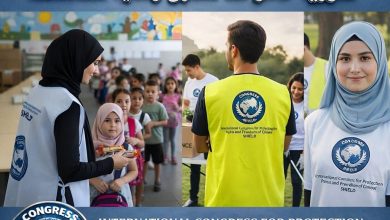
منظمة الدرع العالمية تركز على دور الوعي والتعليم كأدوات رئيسية في التصدي للأزمات والكوارث فمن خلال الأنشطة التوعوية والبرامج التعليمية والمبادرات الفكرية تعمل المنظمة على بناء جيل قادر على فهم المخاطر واتخاذ القرارات المناسبة لحماية نفسه ومجتمعه
نشر الوعي المجتمعي
تلعب المنظمة دورا مهما في تعزيز ثقافة الوعي بالقضايا الإنسانية وحقوق الإنسان وأهمية السلام والتعايش فالكثير من الأزمات تنشأ نتيجة غياب الوعي أو التلاعب بالمعلومات وهنا يأتي دور المنظمة في نشر المعلومات الصحيحة والتصدي للأخبار الزائفة التي قد تؤدي إلى تفاقم الأزمات
دعم التعليم كوسيلة لمواجهة الأزمات
التعليم هو أحد أهم الأسلحة في مواجهة الأزمات فهو يساعد على بناء مجتمعات قادرة على التكيف مع التحديات تعمل منظمة الدرع العالمية على دعم التعليم من خلال التوعية بأهميته والدعوة إلى تطوير المناهج التعليمية لتشمل مهارات التفكير النقدي وإدارة الأزمات وحل النزاعات بطرق سلمية فالتعليم لا يقتصر فقط على المدارس والجامعات بل يشمل التثقيف المستمر الذي يساعد الأفراد على التعامل مع الأزمات بوعي ومسؤولية
تعزيز الحوار والتفاهم بين الشعوب
من أهم أسباب الأزمات والصراعات غياب الحوار وسوء الفهم بين الثقافات المختلفة تؤمن منظمة الدرع العالمية بأهمية بناء جسور التواصل بين الشعوب وتعزيز ثقافة السلام والتسامح والتعاون الدولي ومن خلال الندوات والمؤتمرات والفعاليات تساهم المنظمة في نشر الوعي بأهمية الحوار كوسيلة لحل النزاعات وتجنب الأزمات
معركة الوعي السلاح الأقوى في مواجهة الأزمات
الأزمات لا تحدث فقط بسبب الكوارث الطبيعية أو القرارات السياسية بل أيضا بسبب الجهل والتضليل الإعلامي وضعف الإدراك للمخاطر المحيطة لذلك فإن معركة الوعي هي الأساس في بناء مجتمعات قوية قادرة على مواجهة الأزمات بحكمة
تسعى منظمة الدرع العالمية إلى تعزيز الوعي من خلال
مكافحة الأخبار الزائفة التصدي للمعلومات المضللة التي تؤدي إلى نشر الخوف والفوضى
تعزيز ثقافة المسؤولية توعية الأفراد بأهمية دورهم في حماية مجتمعاتهم من الأزمات
تمكين الشباب تشجيع الشباب على التفكير النقدي والمشاركة الفعالة في القضايا المجتمعية
إدارة الأزمات ليست مجرد إجراءات طارئة بل هي عملية مستمرة تتطلب وعيا وتعليما وتخطيطا استراتيجيا منظمة الدرع العالمية تلعب دورا أساسيا في هذا المجال من خلال نشر الوعي وتعزيز الحوار ودعم التعليم كأدوات رئيسية لمواجهة الأزمات فبناء مستقبل أكثر استقرارا لا يعتمد فقط على الحكومات والمؤسسات بل يحتاج إلى وعي مجتمعي حقيقي حيث يكون كل فرد شريكا في بناء عالم أكثر أمنا واستدامة
Crisis and Disaster Management: The Role of Awareness and Education in Facing Challenges
Crisis and Disaster Management and the Role of the International Shield Organization in Education and the Battle for Awareness
Crisis and disaster management have become major challenges facing societies and nations, whether these crises are natural—such as earthquakes, floods, and hurricanes—or man-made—like armed conflicts, economic crises, and epidemics. Successfully overcoming these crises does not rely solely on immediate responses but requires a long-term vision based on spreading awareness, education, and developing preventive strategies to protect communities from falling into or worsening these crises.
Crisis Management: More Than Just a Reaction
Crisis management is not merely a reaction to emergency events; it is a comprehensive process that starts with proactive planning, risk management, and building communities capable of facing challenges with awareness and efficiency. Effective crisis management requires a deep understanding of the root causes of problems and working on raising awareness and educating the public to prevent crises or mitigate their effects.
Types of Crises and Disasters
Natural Crises and Disasters
These crises occur due to natural forces that humans cannot always control or predict, such as:
Earthquakes: Result from tectonic plate movements beneath the Earth’s surface.
Floods: Caused by heavy rainfall or rising water levels in rivers.
Hurricanes: Form due to temperature and humidity differences in oceans.
Wildfires: Can be triggered by dry weather conditions or irresponsible human activities.
The main challenge with natural disasters lies in the limited ability to control or predict them. However, their impact can be reduced through prevention programs, awareness campaigns, and proper preparation.
Man-Made Crises and Disasters
These crises arise due to human activities and include:
Wars and Armed Conflicts: These destroy infrastructure, displace populations, and exacerbate societal suffering.
Economic Crises: Such as financial crashes or economic collapses, leading to extreme poverty and declining living standards.
Environmental Pollution: Stemming from over-industrialization, water, air, and soil pollution, which threatens both the environment and human health.
Epidemics and Diseases: Often resulting from poor healthcare management or lack of preparedness for health emergencies.
Man-made crises are more predictable if early warning signs are recognized. They can be addressed through proper government policies and strengthened international cooperation.
The Role of the International Shield Organization in Promoting Awareness and Crisis Management
The International Shield Organization focuses on awareness and education as key tools to tackle crises and disasters. Through awareness campaigns, educational programs, and intellectual initiatives, the organization works to build a generation capable of understanding risks and making informed decisions to protect themselves and their communities.
Community Awareness Promotion
The organization plays a crucial role in fostering a culture of awareness about humanitarian issues, human rights, and the importance of peace and coexistence. Many crises arise from a lack of awareness or misinformation. Therefore, the organization actively spreads accurate information and combats fake news, which can worsen crises.
Supporting Education as a Means to Confront Crises
Education is one of the most powerful tools in crisis response, helping build resilient communities. The International Shield Organization supports education by promoting its importance and advocating for curriculum development to include critical thinking, crisis management, and conflict resolution skills. Education goes beyond schools and universities—it encompasses continuous learning that equips individuals to handle crises with awareness and responsibility.
Strengthening Dialogue and Understanding Between Nations
One of the main causes of crises and conflicts is the lack of dialogue and misunderstanding between cultures. The International Shield Organization believes in the importance of building bridges of communication among nations and promoting a culture of peace, tolerance, and international cooperation. Through seminars, conferences, and events, the organization raises awareness about the significance of dialogue as a means to resolve conflicts and prevent crises.
The Battle for Awareness: The Strongest Weapon Against Crises
Crises don’t only stem from natural disasters or political decisions but also from ignorance, media misinformation, and a lack of risk awareness. Therefore, the battle for awareness is fundamental in building strong societies capable of confronting crises wisely.
The International Shield Organization aims to enhance awareness by:
Combating Fake News: Countering misinformation that spreads fear and chaos.
Promoting a Culture of Responsibility: Educating individuals on their role in protecting their communities from crises.
Empowering Youth: Encouraging young people to think critically and actively participate in social issues.
Crisis management is not just about emergency measures; it is a continuous process that requires awareness, education, and strategic planning. The International Shield Organization plays a vital role in this field by spreading awareness, promoting dialogue, and supporting education as key tools to face crises. Building a more stable future depends not only on governments and institutions but also on genuine community awareness, where every individual becomes a partner in creating a safer and more sustainable world.