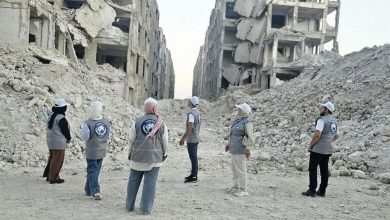
العولمة وأثرها في زيادة الأزمات الإنسانية رؤية شاملة من منظمة الدرع الدولية
Globalization and Its Impact on Increasing Humanitarian Crises A Comprehensive View by Shield International

المقدم
العولمة تعد سلاحًا ذا حدين. ففي حين أنها تعزز الترابط بين الشعوب وتيسر التواصل والتبادل الثقافي والاقتصادي، إلا أنها قد تساهم أيضًا في تفاقم الأزمات الإنسانية. تقلبات الاقتصاد العالمي، توسع النزاعات، والتغيرات المناخية السريعة، جميعها عوامل تزداد حدتها بفعل العولمة. تسعى “الدرع الدولية” إلى فهم أعمق لأثر العولمة على الأزمات الإنسانية وتقديم حلول للتخفيف من هذه الآثار.
أثر العولمة في الأزمات الإنسانية
انتشار الأزمات بسرعة: تسهم العولمة في سرعة انتقال الأزمات من دولة إلى أخرى، ما يؤدي إلى تعقيد التدخلات الإنسانية ويجعل الاستجابة لها أكثر صعوبة، حيث تنتشر الأزمات في ظل التداخل بين الاقتصادات والسياسات الدولية.
الاقتصاد العالمي: التقلبات الاقتصادية العالمية تؤثر بشكل مباشر على الدول الضعيفة، مما يزيد من الفقر والجوع وانعدام الاستقرار. كما أن الأزمات المالية والاقتصادية في دول كبرى قد تؤدي إلى تأثيرات واسعة النطاق في المجتمعات الأكثر هشاشة.
تأثير التغير المناخي: التوسع الصناعي والاستهلاك الكبير للموارد نتيجة العولمة يؤدي إلى تسارع التغيرات المناخية، مما يؤثر سلبًا على توفر الموارد الأساسية كالطعام والماء ويزيد من النزاعات على الموارد، مما يفاقم من الأزمات الإنسانية في عدة مناطق.
التحديات التي تثيرها العولمة
التفاوت في التنمية: تخلق العولمة تفاوتًا كبيرًا في مستويات التنمية بين الدول المتقدمة والنامية، مما يزيد من الفجوات الاقتصادية والاجتماعية ويجعل الدول الأقل نموًا عرضة للتأثر بالتقلبات العالمية.
التهديدات العابرة للحدود: تهديدات مثل الأمراض المعدية والكوارث البيئية تتطلب استجابة منسقة دوليًا، وهو ما يصعب تحقيقه في ظل التنوع في السياسات الاقتصادية والسياسية بين الدول، مما يعطل الجهود الإنسانية.
رؤية منظمة الدرع الدولية
تعمل “الدرع الدولية” على تقديم حلول مبتكرة لمواجهة التحديات الإنسانية المتزايدة بسبب العولمة. وتؤكد المنظمة على أهمية التعاون بين الدول والمنظمات الإنسانية، مع العمل على بناء قدرات المجتمعات المحلية لتعزيز قدرتها على التكيف مع الأزمات المتزايدة.
التوصيات
تعزيز التعاون الدولي: يجب تنسيق الجهود على الصعيد العالمي للتصدي للأزمات الإنسانية التي قد تنشأ نتيجة العولمة، مثل الفقر المدقع والكوارث الطبيعية، وإيجاد حلول جماعية ومستدامة.
استدامة التنمية: توصي “الدرع الدولية” بتبني سياسات تنموية تأخذ في اعتبارها العدالة الاقتصادية والاجتماعية، مع السعي إلى تقليل الآثار السلبية للعولمة من خلال مشاريع تنموية تعزز من استدامة الموارد.
زيادة الوعي العالمي: نشر الوعي حول التحديات الإنسانية التي تتزايد بفعل العولمة، وتعزيز التثقيف في المجتمعات المحلية، بما يسهم في إعداد الأفراد لمواجهة التحديات المتغيرة.
الاقتصاد وأثره في التنمية المستدامة: تحليل للعوامل الاقتصادية في مناطق النزاع
رؤية شاملة من منظمة الدرع الدولية
المقدمة
النزاعات المسلحة تؤثر تأثيرًا كبيرًا على الاقتصاد في الدول المتأثرة، مما يعرقل فرص التنمية المستدامة. تؤمن “الدرع الدولية” بأن الاقتصاد يمثل محركًا رئيسيًا لاستعادة الاستقرار وتحقيق التنمية المستدامة في مناطق النزاع. إن إعادة بناء الاقتصاد تتطلب استراتيجيات مرنة وحلولًا اقتصادية مبتكرة، وتعاونًا دوليًا واسع النطاق.
دور الاقتصاد في التنمية المستدامة
تعزيز النمو الاقتصادي: التنمية المستدامة في مناطق النزاع تتطلب تركيزًا على دعم الاقتصاد المحلي، من خلال تطوير البنية التحتية وتوفير فرص عمل مستدامة، مما يسهم في تحقيق استقرار أكبر للمجتمعات المتضررة.
إدارة الموارد الطبيعية: الإدارة المستدامة للموارد الطبيعية يمكن أن تكون عاملاً محوريًا في تحقيق استقرار اقتصادي في المناطق المتأثرة بالنزاعات، كما يساهم في الاستفادة المستدامة من الموارد المتاحة.
الاستثمار في القطاعات الحيوية: يستلزم تحقيق التنمية المستدامة استثمارات كبيرة في القطاعات الحيوية كالتعليم والصحة والزراعة، مما يعزز من قدرة السكان المحليين على التفاعل مع الاقتصاد وتحقيق الاكتفاء الذاتي.
التحديات الاقتصادية في مناطق النزاع
الدمار الاقتصادي: النزاعات تؤدي إلى تدمير البنية التحتية والمرافق العامة، مما يشكل عقبة كبيرة أمام محاولات إعادة الإعمار الاقتصادي والتنمية المستدامة.
ارتفاع معدلات الفقر: النزاعات تدفع بالكثيرين إلى الفقر، وتؤدي إلى تدهور الظروف المعيشية للسكان المحليين، مما يزيد من التحديات الاقتصادية والاجتماعية.
الهجرة والنزوح: النزاعات تؤدي إلى نزوح كبير للسكان، ما يزيد من الضغوط على الموارد الاقتصادية في المناطق التي تستقبل النازحين ويؤدي إلى تحديات اقتصادية إضافية.
رؤية منظمة الدرع الدولية
تسعى “الدرع الدولية” إلى دعم التنمية الاقتصادية المستدامة في مناطق النزاع من خلال مشروعات تهدف إلى إعادة بناء الاقتصاد المحلي، وتحسين الفرص الاقتصادية للمتضررين من النزاع، وتعزيز الابتكار في استغلال الموارد الطبيعية.
التوصيات
إعادة بناء البنية التحتية: توفير الدعم المالي والمادي لإعادة بناء البنية التحتية الضرورية، والتي تساعد في استعادة النشاط الاقتصادي وتقديم الخدمات الأساسية.
دعم المشاريع الصغيرة والمتوسطة: تشجيع المشاريع الصغيرة والمتوسطة يعتبر محركًا أساسيًا للنمو الاقتصادي على المستوى المحلي، ويسهم في تخفيف الضغوط الاقتصادية وخلق فرص العمل.
الاستثمار في التعليم والتدريب: يجب تطوير المهارات البشرية اللازمة لدعم الاقتصاد المحلي وتحقيق التنمية المستدامة، من خلال الاستثمار في التعليم وتوفير التدريب المهني.
الخاتمة
يمثل الاقتصاد أحد المحركات الرئيسية لتحقيق التنمية المستدامة، خاصة في مناطق النزاع. ومن خلال الجهود المستمرة لإعادة بناء الاقتصاد المحلي وتحفيز الاستثمارات، وتحقيق التوازن بين التنمية الاقتصادية والاجتماعية، يمكن التغلب على الكثير من التحديات التي تعوق التقدم في هذه المناطق.
ترى “الدرع الدولية” أن الحلول الاقتصادية الفعّالة تتطلب تعاونًا متواصلًا بين الحكومات والمنظمات الإنسانية والقطاع الخاص. إن العمل المشترك لتطوير البنية التحتية، دعم المشاريع الصغيرة والمتوسطة، وتحسين التعليم والتدريب، سيسهم في تحفيز النمو الاقتصادي وزيادة قدرة المجتمعات على تحقيق الاستدامة.
Globalization and Its Impact on Increasing Humanitarian Crises
A Comprehensive View by Shield International
Introduction
Globalization can be a double-edged sword. While it fosters greater connectivity among nations and people, it can also amplify humanitarian crises through economic instability, expansion of conflicts, and the negative effects of climate change. Shield International aims to understand how globalization affects humanitarian crises and to propose solutions to mitigate its impact.
The Impact of Globalization on Humanitarian Crises
Rapid Spread of Crises: In a globalized world, crises can quickly spread from one country to another, complicating humanitarian interventions and making them harder to manage effectively.
Global Economic Impact: Global economic fluctuations significantly affect vulnerable nations, worsening humanitarian issues like poverty and hunger.
Climate Change: Industrial expansion and increased resource consumption due to globalization have accelerated climate change, affecting resource availability and escalating conflicts over resources, which in turn worsen humanitarian crises.
Challenges Posed by Globalization
Development Inequality: Globalization often results in significant disparities in development between advanced and developing nations, creating economic and social gaps and leaving some populations more exposed to global crises.
Cross-Border Threats: Issues like infectious diseases and environmental disasters require coordinated global responses, which are challenging to organize given the political and economic diversity among countries.
Shield International’s Perspective
Shield International strives to provide innovative solutions to address the humanitarian challenges posed by globalization. The organization emphasizes the importance of cooperation between countries and humanitarian agencies and focuses on empowering local communities to deal with crises effectively.
Recommendations
Enhance International Cooperation: Coordinated global efforts are needed to address humanitarian crises stemming from globalization, such as extreme poverty and natural disasters.
Sustainable Development: Shield International advocates for policies that promote fair economic and social practices to reduce globalization’s negative effects through sustainable development projects.
Raise Global Awareness: Raising awareness of globalization’s humanitarian challenges helps communities prepare and respond more effectively.
Economy and Its Impact on Sustainable Development: Analyzing Economic Factors in Conflict Zones
A Comprehensive View by Shield International
Introduction
Armed conflicts have a significant impact on the economies of affected countries, hindering sustainable development opportunities. Shield International believes that a strong economy is essential for restoring stability and achieving sustainable development in post-crisis regions. Rebuilding the economy in conflict zones requires flexible strategies, international collaboration, and innovative economic solutions.
The Role of Economy in Sustainable Development
Economic Growth Promotion: Sustainable development in conflict zones requires focusing on boosting the local economy, developing infrastructure, and creating job opportunities that drive social and economic stability.
Natural Resources Management: Sustainable resource management is essential for economic stability in conflict-affected areas, enabling communities to leverage their natural resources responsibly.
Investment in Vital Sectors: Investing in critical sectors like education, healthcare, and agriculture promotes sustainable growth and helps populations rebuild resilience.
Economic Challenges in Conflict Zones
Economic Destruction: Conflicts often destroy vital infrastructure, including factories, roads, and public services, creating obstacles to economic rebuilding.
Rising Poverty Levels: Conflicts exacerbate poverty levels, leading to deteriorating living conditions and impacting families’ ability to sustain themselves.
Migration and Displacement: Conflicts cause a surge in refugees and internally displaced people, putting additional strain on local economies in host areas.
Shield International’s Perspective
Shield International is committed to supporting sustainable economic development in conflict zones through projects that aim to rebuild local economies, improve economic opportunities for those affected, and foster innovation in natural resource management.
Recommendations
Rebuild Infrastructure: Financial and material support is essential to restore critical infrastructure, helping to revive economic activity and provide essential services.
Support Small Businesses: Encouraging small and medium-sized enterprises (SMEs) stimulates local economic growth and helps alleviate economic pressures through job creation.
Invest in Education and Training: Developing the human capital required to support local economies and achieve sustainable development is key, making investment in education and vocational training essential.
Conclusion
The economy is one of the primary drivers of sustainable development, especially in conflict zones. With sustained efforts to rebuild local economies, stimulate investment, and balance economic and social development, many economic challenges faced by these regions can be overcome.
Shield International believes that effective economic solutions require ongoing cooperation between governments, humanitarian organizations, and the private sector. Collaborative efforts to develop infrastructure, support SMEs, and improve education and training will promote economic growth and increase communities’ ability to achieve sustainability. Additionally, enhancing access to and sustainable use of natural resources is crucial for achieving long-term development in conflict-affected regions.