أخبار المنظمةأخبار عالميةحقوق الإنسان القانون الدوليمقترح لك
الشعوب الأصلية: وجع الأرض وذاكرة الصمت
Indigenous Peoples: The Pain of the Earth and the Silence of Memory

الشعوب الأصلية: وجع الأرض وذاكرة الصمت
رؤية إنسانية من منظمة الدرع الدولية
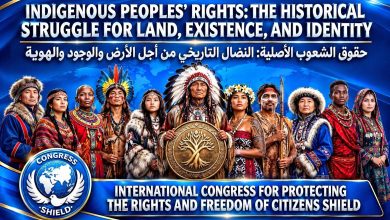
يمثل السكان الأصليون جزءا أساسيا من التنوع البشري والثقافي في العالم، إذ يُقدّر عددهم اليوم بأكثر من 476 مليون نسمة، أي ما يعادل 6.2% من سكان العالم. ينتمون إلى ما يزيد عن 5,000 مجموعة أصلية، ويتوزعون على أكثر من 90 دولة. يتحدثون ما يزيد عن 4,000 لغة، ويعيشون على أراضٍ تمتد عبر الغابات المطيرة، والصحارى، والجبال، والسواحل، والسهول.
رغم هذا الغنى الثقافي واللغوي، تواجه هذه المجتمعات تحديات هيكلية خطيرة، تبدأ من التمييز الممنهج وتمر عبر الطرد القسري من أراضيهم، ولا تنتهي عند الانتهاكات الجسيمة لحقوقهم الأساسية. وعلى الرغم من أن هذه الشعوب تمثل جزءًا محوريًا من الهوية الإنسانية والحضارية، إلا أن معاناتهم غالبًا ما تُغفل في نقاشات السياسات العالمية.
على امتداد تاريخ البشرية، وقبل أن تُرسم حدود الدول وقبل أن تُكتب الدساتير والقوانين، كانت هناك شعوب وجماعات متجذرة في الأرض، تعرف تفاصيلها كما تعرف خطوط كفّها، وتعيش بتناغم فريد مع الطبيعة. هذه الشعوب، التي تُعرف اليوم بالشعوب الأصلية، لم تكن مجرد مجتمعات بدائية كما صُوّرت في بعض السرديات الاستعمارية، بل كانت حضارات قائمة، تحمل لغاتها، وفنونها، ومعارفها، ونُظمها الاجتماعية الخاصة.
ورغم تنوع هذه الشعوب من حيث البيئة والموقع والعادات، إلا أن بينها خيطًا مشتركًا، خيط المعاناة المتكررة، والإقصاء المستمر، والتهميش المنهجي الذي طالها لعقود، ولا يزال.
الأرض: وطنٌ مسلوب وهوية منهوبة
تربط الشعوب الأصلية بالأرض علاقة وجود لا علاقة ملكية. الأرض ليست فقط موردًا للعيش، بل هي الأم التي تحتضن، والمقدّسة التي لا تُمسّ، والذاكرة التي لا تُنسى. ومع ذلك، فقد كانت هذه الأراضي أول ما طُعن فيه، وأول ما سُلب منهم، حين تحركت الدول والمصالح لاستغلال مواردها الطبيعية.
جُرفت غاباتهم، وسمّمت أنهارهم، وطُردوا من موطن أجدادهم بحجج التنمية والتحديث، دون استشارة، ودون تعويض، ودون اعتبار لحياتهم الروحية والاجتماعية المرتبطة بهذه الأرض. صاروا فجأة غرباء في أرضهم، وسكانًا من الدرجة الثانية في بلادهم.
اللغة: صوت الضمير الذي يُخرس
لغة الشعوب الأصلية ليست فقط وسيلة تواصل، بل هي اختزال لتاريخهم، وفلسفتهم، ونظرتهم للكون. هي وعاء لحكمتهم، ومرآة لروحهم. ومع ذلك، تُطمس هذه اللغات يومًا بعد يوم، بفعل السياسات التعليمية الموحدة التي تهمل خصوصيتهم، وبفعل النظرة النمطية التي تعتبر لغاتهم متخلفة أو غير نافعة.
حين تموت لغة من لغات السكان الأصليين، لا يموت صوت فحسب، بل تموت حكاية كاملة، وتُدفن رؤية مختلفة للعالم.
الفقر: فخٌ اجتماعي طويل الأمد
رغم أن الشعوب الأصلية عرفت كيف تُدير مواردها بعقلانية منذ قرون، إلا أنها وجدت نفسها في الهامش الاقتصادي الحديث. نُزعت عنها الأرض، ففقدت موردها الأول. عُزلت في أماكن بعيدة عن الخدمات، ففقدت فرص التعليم والصحة. سُلب منها صوتها، ففقدت حقها في التمثيل.
لم يكن الفقر قدَرًا لهذه الشعوب، بل نتيجة سلسلة من السياسات المتراكمة، والتجاهل المقصود، والتمييز المتواصل.
النشطاء في مواجهة العاصفة
في خضم كل هذا، خرج من بين هذه الشعوب رجال ونساء دافعوا عن حقوقهم، وواجهوا الجشع بالبساطة، والفساد بالنزاهة، والنسيان بالتذكير. لكن هؤلاء لم يُكافَأوا، بل طوردوا، سُجنوا، وشوّهت سمعتهم، بل وقُتل بعضهم وهم يدافعون عن شجرة، أو نهر، أو كلمة في كتاب مدرسي.
لا يطلب هؤلاء شيئًا مستحيلاً، فقط العدالة. أن يعيشوا كما يريدون، لا كما يُراد لهم. أن يُسمع صوتهم، لا أن يُترجم عنهم.
موقف منظمة الدرع الدولية
في منظمة الدرع الدولية لحقوق الإنسان، نؤمن أن حقوق الإنسان لا تُجزّأ، وأن الشعوب الأصلية ليست أقلية يمكن تجاهلها، بل هم أصحاب حق وتاريخ وجغرافيا. نؤمن أن صمت العالم على ما يحدث لهم هو جريمة أخلاقية، وأن العدالة تقتضي أن نستعيد التوازن المختل.
نقف مع كل صوت يُقصى، وكل أرض تُنهب، وكل لغة تموت في صمت. نؤمن بأن على المجتمعات أن تعيد اكتشاف الشعوب الأصلية، لا كقصص تراثية، بل كشركاء في الإنسانية، وأصحاب تجربة عميقة في العيش مع الأرض، لا ضدها.
الطريق نحو العدالة
لكي نرأب هذا الصدع، لا يكفي التعاطف. لا بد من خطوات حقيقية:
احترام ثقافة الشعوب الأصلية وحمايتها قانونيًا.
إعادة النظر في المشاريع التي تُقام على حساب أراضيهم.
توفير تعليم يحترم لغتهم، ويُبقي على تاريخهم.
تمكينهم سياسيًا، لا كمجاملات رمزية، بل كحقوق أصيلة.
حماية المدافعين عن حقوقهم من العنف والإسكات.
الشعوب الأصلية ليست قصصًا من الماضي، بل نبضٌ مستمر، وإن خفت. هي البوصلة التي تُذكّر العالم أن التطور لا يعني الإلغاء، وأن الحداثة لا تبرر الظلم. وحين نُصغي بصدق إلى صوت هذه الشعوب، نُعيد ترميم إنسانيتنا من جديد.
منظمة الدرع الدولية، صوتٌ من أجل العدالة، ونداء دائم بأن لا تُمحى ذاكرة الأرض وأبنائها
Indigenous Peoples: The Pain of the Earth and the Silence of Memory
A Humanitarian Perspective from the International Shield Organization for Human Rights
Indigenous peoples represent an essential part of the world’s human and cultural diversity. Today, they are estimated to number over 476 million individuals, belonging to more than 5,000 distinct communities across more than 90 countries. They speak more than 4,000 languages and live on lands that stretch across rainforests, deserts, mountains, coastlines, and plains.
Despite this immense cultural and linguistic richness, these communities face profound structural challenges. These begin with systemic discrimination, extend through forced displacement from ancestral lands, and culminate in the gross and persistent violations of their most basic human rights. While these peoples embody a vital pillar of global identity and heritage, their suffering is often overlooked in the arenas of international policymaking.
Throughout human history—and long before state borders were drawn or constitutions written—there were peoples deeply rooted in the earth, understanding its rhythms as they understood the lines in their palms. These peoples, now referred to as indigenous communities, were not primitive tribes as portrayed in some colonial narratives, but rather sophisticated civilizations with their own languages, knowledge systems, arts, and social structures.
Despite the geographic and cultural diversity among indigenous groups, they are bound by a shared experience of continuous marginalization, systematic exclusion, and historical injustice that persists to this day.
Land: A Stolen Homeland and Plundered Identity
For indigenous peoples, land is not merely a resource—it is existence itself. It is sacred, nurturing, and inseparable from their collective memory and spiritual identity. Yet, it was the land that first came under attack, stripped from them as states and corporate interests expanded under the banners of development and modernization.
Their forests were cleared, rivers poisoned, and ancestral territories seized—often without consent, compensation, or consideration for their deep spiritual and communal ties to the land. Many became strangers in their own homelands, treated as second-class citizens in countries built upon their stolen heritage.
Language: The Silenced Voice of Conscience
Indigenous languages are not just tools for communication; they are vessels of knowledge, philosophy, worldview, and cultural continuity. Yet, these languages are disappearing one after another, victims of assimilationist education systems and dominant cultural attitudes that view them as inferior or useless.
When an indigenous language dies, it is not merely a voice that fades—but an entire worldview that vanishes, a story untold, a cosmos lost forever.
Poverty: A Generational Trap
Despite having managed their environments sustainably for centuries, indigenous peoples today find themselves on the fringes of modern economies. Dispossessed of their lands, cut off from services, and denied meaningful representation, they have been systematically excluded from development.
Poverty, in this context, is not a coincidence—it is the outcome of generations of political negligence, targeted marginalization, and legal invisibility.
Human Rights Defenders: Braving the Storm
Amid these challenges, courageous men and women from within indigenous communities have risen to defend their rights—confronting greed with dignity, corruption with integrity, and erasure with remembrance. Many of these defenders, however, have faced persecution, imprisonment, defamation, and even assassination—often with impunity.
These advocates are not asking for the impossible. They demand only justice—to live as they choose, not as others dictate. To be heard in their own voices, not translated or misrepresented.
The Shield Organization’s Stand
At the International Shield Organization for Human Rights, we believe that human rights are indivisible. Indigenous peoples are not a minority to be ignored—they are rightful owners of history, land, and voice. To remain silent in the face of their suffering is a moral crime. Justice demands that we restore what has been broken.
We stand by every silenced voice, every plundered land, and every dying language. Societies must rediscover indigenous peoples—not as relics of folklore, but as partners in shaping humanity’s shared future, and as teachers in how to live with nature, not against it.
The Road to Justice
Compassion alone is not enough. Real change requires real action:
-
Legally recognize and protect indigenous cultures and heritage.
-
Reassess development projects that exploit indigenous lands.
-
Provide education systems that respect their languages and histories.
-
Ensure genuine political representation and empowerment.
-
Protect indigenous rights defenders from violence and silencing.